COP31 Climate Talks End Without Agreement
COP31 Climate Talks End Without Agreement
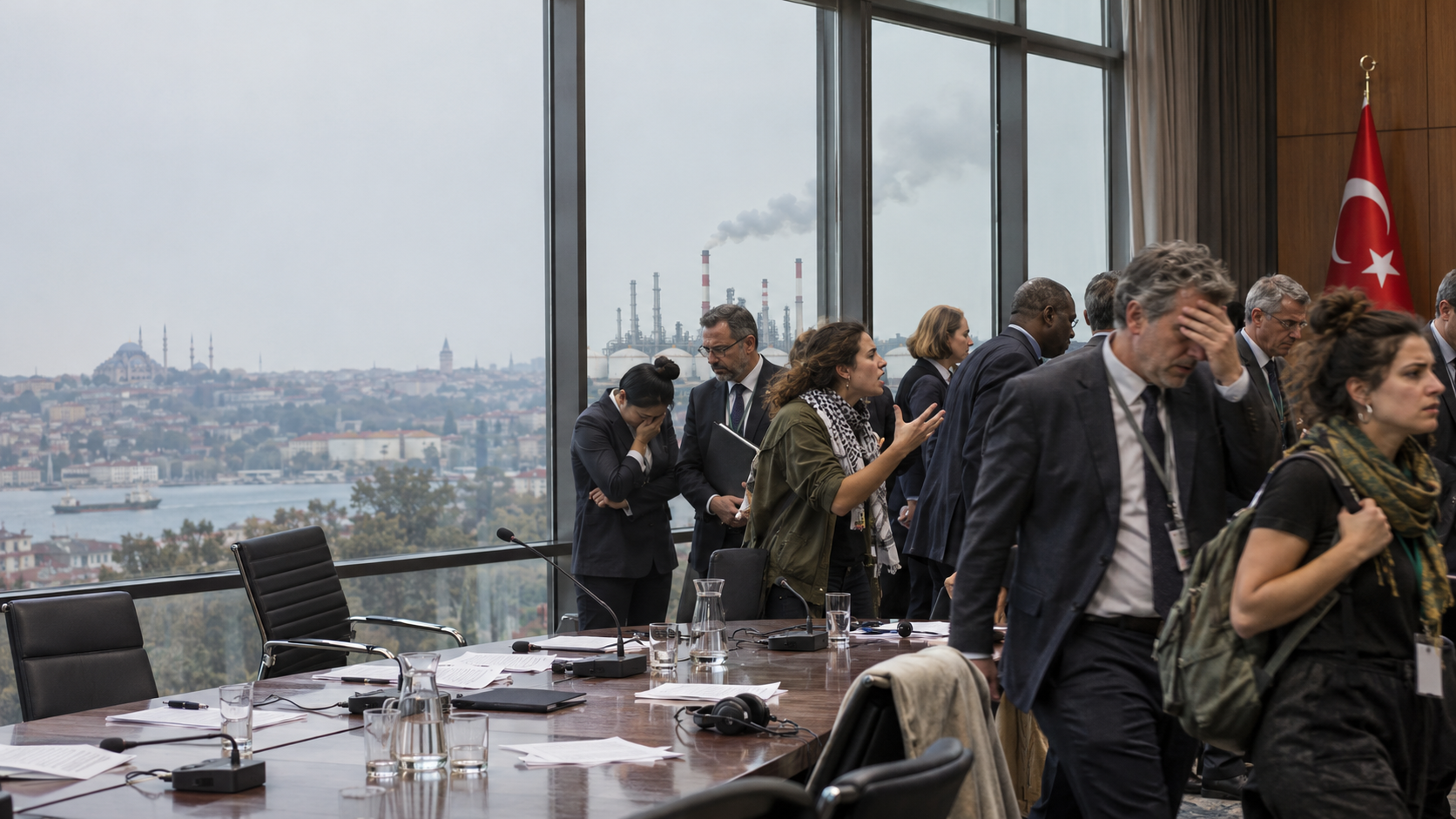
The COP31 climate talks ended without a final agreement after negotiators remained divided over fossil fuels, emissions reductions and climate finance. Reports supplied for this article describe a breakdown in negotiations that left major climate-policy questions unresolved Source 3 Source 5.
The outcome exposed a broader conflict within United Nations climate diplomacy. Some governments sought stronger language on reducing fossil fuel use, while others resisted commitments that could affect energy security, economic growth and national development. Developing and climate-vulnerable countries also called for greater support for emissions cuts, adaptation and climate-related damage.
What Happened at COP31?
COP31 ended without a comprehensive agreement. Negotiators failed to resolve disputes over fossil fuel language, emissions-reduction commitments and climate finance, according to the supplied reports Source 1.
The disagreement involved several connected issues rather than one isolated dispute. Countries differed over the ambition of the proposed outcome, the responsibilities attached to it and how quickly energy systems should change.
A draft text represents possible compromises under discussion. A final agreement requires sufficient support from participating countries. COP31 did not reach that threshold.
The European Union and other participants reportedly rejected the proposed agreement Source 7. The available summaries do not provide the complete draft text or a full list of countries that opposed it.
The Fossil Fuel Dispute
Fossil fuels were a central point of disagreement. The supplied reports describe a failure to reach consensus over how coal, oil and gas should appear in the final outcome Source 5.
Some countries sought explicit commitments to reduce or phase out fossil fuel use. Others resisted language they believed could threaten energy security, economic growth, employment or national development priorities.
STV News reported that negotiations failed after the proposed outcome did not mention fossil fuels Source 9. The available summary does not show the full draft or clarify whether fossil fuels appeared elsewhere in the text.
Fossil fuel language is politically difficult because coal, oil and gas remain embedded in electricity generation, transport, industry, public finances and regional employment. Governments must balance emissions reductions with energy affordability, reliability and economic stability.
Climate Finance Deepened the Dispute
Developing and climate-vulnerable countries sought support for emissions reductions, adaptation and climate-related damage. Potential funding areas include renewable energy, energy efficiency, flood protection, resilient agriculture, disaster recovery and early-warning systems.
The supplied sources do not establish a verified finance total or funding target. No specific figure should therefore be treated as confirmed.
Climate finance negotiations involve more than the headline amount. Governments must also determine who provides funding, which countries qualify, whether support takes the form of grants or loans, how quickly it is delivered and how results are monitored.
Developing countries may be reluctant to accept faster fossil fuel reductions without financial and technological support for a fair transition. Wealthier countries may seek stronger emissions commitments before increasing contributions. This creates recurring disagreement over both ambition and responsibility.
Emissions Commitments Remain Unresolved
The breakdown also reflected continuing disagreement over emissions reductions. Key questions include how quickly global emissions should fall, which countries should make the deepest cuts, how national circumstances should affect commitments and what support should accompany stronger targets.
Governments may support international climate goals while facing domestic pressure to protect electricity supplies, household budgets, industrial production, export revenue and employment. These pressures often lead countries to seek flexibility in international agreements.
A proposed text can fail when its fossil fuel language is considered too strong, its finance provisions too costly or its emissions targets unfair. Implementation requirements may also face resistance where countries lack technology, funding or administrative capacity.
What the Failure Means for Climate Diplomacy
The absence of a final agreement represents a setback for multilateral climate cooperation. It may reduce confidence that governments can negotiate timely responses to climate change, but it does not end climate diplomacy or national climate action.
Future negotiations will need to revisit:
- Whether fossil fuels should be named directly.
- How quickly countries should reduce emissions.
- Which governments should provide climate finance.
- How vulnerable countries should receive support.
- How grants, loans and private investment should be counted.
- How national responsibility should be balanced with international cooperation.
Trust will remain central. Governments continue to disagree over whether earlier finance commitments were fulfilled, whether emissions plans are credible and whether transition costs are being shared fairly. Clearer financial reporting, stronger implementation rules and more detailed national policies could help narrow those differences.
What Happens Next?
Negotiators will need to review the incomplete or rejected text and seek compromise across fossil fuels, emissions reductions and climate finance. Governments can also continue pursuing renewable energy, energy efficiency, adaptation, resilient infrastructure and national climate-finance programs without waiting for a new international agreement.
A failed conference may delay collective commitments, but it does not remove national responsibilities or the need for climate action.
Key Takeaways
- COP31 ended without a final agreement.
- Fossil fuel language was one of the main obstacles.
- Climate finance disagreements intensified existing divisions.
- The European Union and other participants reportedly rejected the proposed deal Source 7.
- Emissions-reduction commitments remain contested.
- The proposed outcome reportedly did not mention fossil fuels Source 9.
- Major questions about fossil fuels, finance and fairness remain open.
FAQ
Why did the COP31 climate talks fail?
Participants could not agree on fossil fuel language, climate finance or emissions-reduction commitments. The proposed text failed to secure sufficient support for adoption.
What was the main fossil fuel dispute?
Negotiators disagreed over whether and how coal, oil and gas should be addressed. One supplied report said the proposed outcome did not mention fossil fuels, while other summaries described broader disagreement over fossil fuel commitments Source 9.
Why was climate finance important?
Developing and vulnerable countries sought support for emissions reductions, adaptation and climate-related damage. Disagreements concerned funding responsibilities, eligibility, delivery and the form of finance.
Did COP31 produce a final agreement?
No. The supplied source summaries state that the talks ended without a final agreement after participants failed to resolve the proposed deal Source 3.
Who rejected the proposed deal?
The supplied summaries state that the European Union and other participants rejected it. The available information does not provide a complete list of countries or their individual positions.
Related Articles
-
 Suspected Drone Attack Hits Russian Ship Near Benghazi
-
 Ukraine Threatens Russia’s Crimea Supply Lifeline
-
 Genocide Rulings: Legal Significance and Global Impact
-
 Army Delays Planned Detonation of Chemicals in Iowa
-
 Democrats Reportedly Win Largest House Majority Since 1992
-
 ICE Airport Detention Video Sparks Seattle Protests
-
 Chicago Park Rat Infestation: What the Evidence Shows
-
 COP31: Six Key Takeaways on Climate Action
-
 Russian Vessel Hit by Suspected Drone in Benghazi
-
 Can Trump Deliver Security for Ukraine?
-
 Lebanese Villagers Return to Damaged Homes
-
 Chuck Hubbard Victory: What Reports Confirm, What's Unclear
-
 Bay Area Flood Threat: Airport and Travel Safety Guide
-
 El-Sayed’s View on Private Insurance Under Medicare for All
-
 U.S. Army Iowa Lead Azide Disposal Plan Faces Court Stay
-
 COP31 Talks Collapse in Turkey Over Fossil Fuels