Trump Seeks Permanent Iran Deal, Warns of 2027 Delay
Trump Seeks Permanent Iran Deal, Warns Major Move May Wait Until 2027
Last updated: Based on the supplied reports. Publication dates and exact live-update times were not provided.
President Donald Trump says the United States should pursue a permanent agreement with Iran to prevent Tehran from developing a nuclear weapon. He has also said negotiations should result in a “good deal or no deal,” while warning that the next major move may not occur until 2027.
The comments suggest a potentially prolonged diplomatic process rather than an imminent settlement. Iran has accused the United States of a “grave violation” of the ceasefire, adding uncertainty to efforts to reduce tensions. The supplied reporting does not confirm formal peace talks or a final agreement.
The reports also connect the conflict to rising oil prices and increased congressional scrutiny. CBS News reported that oil prices reached a four-year high while Defense Secretary Pete Hegseth faced questions from senators.
Trump Calls for a “Permanent” Deal With Iran
Trump’s reported objective is a long-term or permanent agreement that would prevent Iran from developing a nuclear weapon. The Inquisitr described the proposal as an effort to secure a lasting arrangement rather than a temporary pause.
Trump has framed the choice as a “good deal or no deal.” That language signals a demanding negotiating position, but a political statement is not the same as a signed agreement. The available reports do not establish that the United States and Iran have completed a permanent deal, nor do they provide a final text, confirmed participant list or timetable for formal negotiations.
The central questions are:
- What would a permanent agreement require?
- Is the ceasefire holding?
- Are direct or indirect talks underway?
- Does 2027 represent a deadline, estimate or warning?
- How could the dispute affect oil markets and U.S. politics?
Trump’s Negotiating Position
Trump’s “good deal or no deal” position suggests that Washington may prefer continued pressure over an agreement it considers inadequate. He has also said he is not under pressure to reach a deal to end the war with Iran.
That position may preserve U.S. leverage but could also slow diplomacy, especially if Iran seeks sanctions relief or security guarantees in exchange for nuclear restrictions.
Three issues should be distinguished:
- Negotiating objective: Trump wants a permanent agreement.
- Diplomatic framework: Officials may establish terms for talks.
- Completed agreement: The parties sign and begin implementing a formal deal.
The supplied reporting confirms only the first point.
What Could “Permanent” Mean?
“Permanent” could refer to restrictions that remain indefinitely or last substantially longer than a temporary ceasefire. A future agreement might address:
- Uranium-enrichment levels and capacity.
- The size of Iran’s enriched-uranium stockpile.
- The number and type of centrifuges.
- International inspections and monitoring.
- Access to declared nuclear facilities.
- Procedures for investigating suspected violations.
- Sanctions relief and enforcement.
- Broader regional security concerns.
The sources do not provide a draft agreement or explain which terms Iran would accept. The meaning of “permanent” would depend on the text negotiated by the United States, Iran and any other participating governments.
Ceasefire and Negotiation Updates
Iran Accuses the United States of a “Grave Violation”
Iran has accused the United States of committing a “grave violation” of the ceasefire. That is Iran’s stated position and should not be treated as an independently established fact without additional confirmation.
Ceasefire accusations can damage the confidence needed for diplomacy, delay meetings, harden public positions and increase the risk of renewed military action. A disputed ceasefire can create uncertainty even when no new major attack has been independently confirmed.
Future updates should identify who made each allegation, whether the opposing government responded, whether independent observers confirmed the event and whether it affected communication or negotiations.
The Status of Peace Talks Remains Unclear
The available reporting does not establish a confirmed timetable for formal peace talks between the United States and Iran. It is also unclear whether any discussions are direct, indirect or mediated by another government.
Communication channels can operate during a ceasefire without constituting formal peace talks. Governments may exchange messages through intermediaries, discuss detainees or military incidents, or explore possible terms without committing to a comprehensive process.
Unconfirmed details include:
- Whether U.S. and Iranian officials are meeting directly.
- Whether intermediaries are carrying messages.
- Whether a written negotiating framework exists.
- Whether either side has accepted an agenda.
- Whether 2027 is a deadline, prediction or warning.
- Whether the ceasefire includes formal monitoring.
Why 2027 Matters
A possible 2027 timeline would suggest that a major diplomatic move may not be imminent. It should not be treated as a confirmed deadline unless an official source defines it that way.
Negotiations could extend for years because of disputes over nuclear restrictions, inspections, enrichment capacity, sanctions relief, security guarantees, enforcement procedures, domestic politics and regional military activity. The timing could change quickly after a military incident, leadership decision or diplomatic breakthrough.
The Nuclear Issue
Trump’s reported objective is to prevent Iran from developing a nuclear weapon. A durable agreement would likely require measurable restrictions and credible verification.
Preventing weapon development is different from limiting enrichment capacity, monitoring facilities or addressing Iran’s broader regional activities. Negotiators would need to define which matters belong in a nuclear agreement and which require separate arrangements.
Potential verification tools include:
- International inspections.
- Access to declared nuclear sites.
- Remote monitoring equipment.
- Inventory reporting.
- Regular technical assessments.
- Investigations into suspected violations.
- Procedures for resolving disputes.
A lasting agreement would also need consequences for noncompliance. These could include diplomatic penalties, renewed sanctions or other enforcement measures. The terms would need to specify who determines that a violation occurred and how quickly action could follow.
Sanctions Relief and Enforcement
Sanctions relief could become a central bargaining issue. Iran may seek the removal or suspension of economic restrictions in exchange for nuclear limits, while the United States may demand verifiable action before granting relief.
Negotiators would need to determine which sanctions would be lifted, whether relief would be phased, what Iran would do first, how compliance would be verified and whether sanctions could return after a violation. The supplied sources do not confirm any sanctions package.
Why the Ceasefire Could Remain Fragile
The reported public positions point in different directions. Iran says the United States committed a serious ceasefire violation, while Trump says negotiations should produce a “good deal or no deal” and that he is not under pressure to finalize an agreement.
Those statements reduce expectations of a rapid settlement. They also show why ceasefires can remain unstable when political messaging and diplomatic communication are not aligned.
Warning signs to monitor include:
- New strikes or military threats.
- Movement of military forces.
- Missile launches.
- Disruption of shipping routes.
- Attacks involving regional allies or proxy groups.
- Damage to energy infrastructure.
- A breakdown in diplomatic communication.
The supplied reports do not confirm specific future attacks. New claims should be attributed clearly and checked against official statements and independent reporting.
Oil Prices and Congressional Scrutiny
CBS News reported that the Iran war pushed oil prices to a four-year high while Defense Secretary Pete Hegseth faced questioning from senators.
Conflict involving Iran can affect energy markets because traders assess risks to production, exports and shipping routes. Prices can rise because of expected disruption even before a confirmed supply reduction. Market movements may therefore reflect a geopolitical risk premium rather than an actual loss of production.
A durable ceasefire could reduce risk premiums and improve confidence in regional shipping and supply. Renewed fighting could produce higher crude prices, greater volatility, increased fuel costs and additional inflationary pressure. These are potential outcomes, not forecasts.
Congressional scrutiny may focus on military objectives, legal authority, ceasefire decisions, escalation risks, troop protection, defense spending and diplomatic strategy. The supplied report does not provide a detailed account of the senators’ questions or Hegseth’s testimony.
What to Watch Next
Future updates should focus on:
- Official confirmation of direct, indirect or mediated talks.
- Evidence of ceasefire compliance.
- Details on nuclear restrictions and inspection access.
- Sanctions relief and enforcement mechanisms.
- The meaning of “permanent.”
- Oil prices and energy-market volatility.
- Congressional and regional responses.
Key Takeaways
- Trump says the United States wants a permanent agreement with Iran to prevent a nuclear weapon.
- He says negotiations should produce a “good deal or no deal.”
- Iran has accused the United States of a “grave violation” of the ceasefire.
- The status and timing of formal peace talks remain unclear.
- A possible 2027 reference does not constitute a confirmed deadline.
- CBS News reported that oil prices reached a four-year high amid the conflict.
- Hegseth faces questions from senators.
- No confirmed permanent agreement appears in the supplied reporting.
Frequently Asked Questions
What kind of deal does Trump want with Iran?
Trump is seeking a permanent or long-term agreement designed to prevent Iran from developing a nuclear weapon. The available reports do not provide the full terms.
Has the United States reached a permanent agreement with Iran?
No confirmed permanent agreement is identified in the supplied sources. Trump’s comments describe a negotiating objective, not a finalized treaty or settlement.
Why might the next major move not happen until 2027?
The reference may describe the expected length or timing of diplomacy. Possible obstacles include nuclear restrictions, inspections, sanctions relief, security guarantees and ceasefire compliance. It should not be treated as a confirmed deadline without official clarification.
What has Iran said about the ceasefire?
Iran has accused the United States of a “grave violation” of the ceasefire. The allegation should remain attributed to Iran unless independent evidence confirms it.
Are peace talks underway?
The supplied reporting does not establish a confirmed schedule for formal talks. Further updates should clarify whether discussions are direct, indirect or mediated.
How has the conflict affected oil prices?
CBS News reported that the Iran war drove oil prices to a four-year high. Conflict-related concerns can increase risk premiums because traders fear supply disruptions, shipping problems and wider escalation.
Related Articles
-
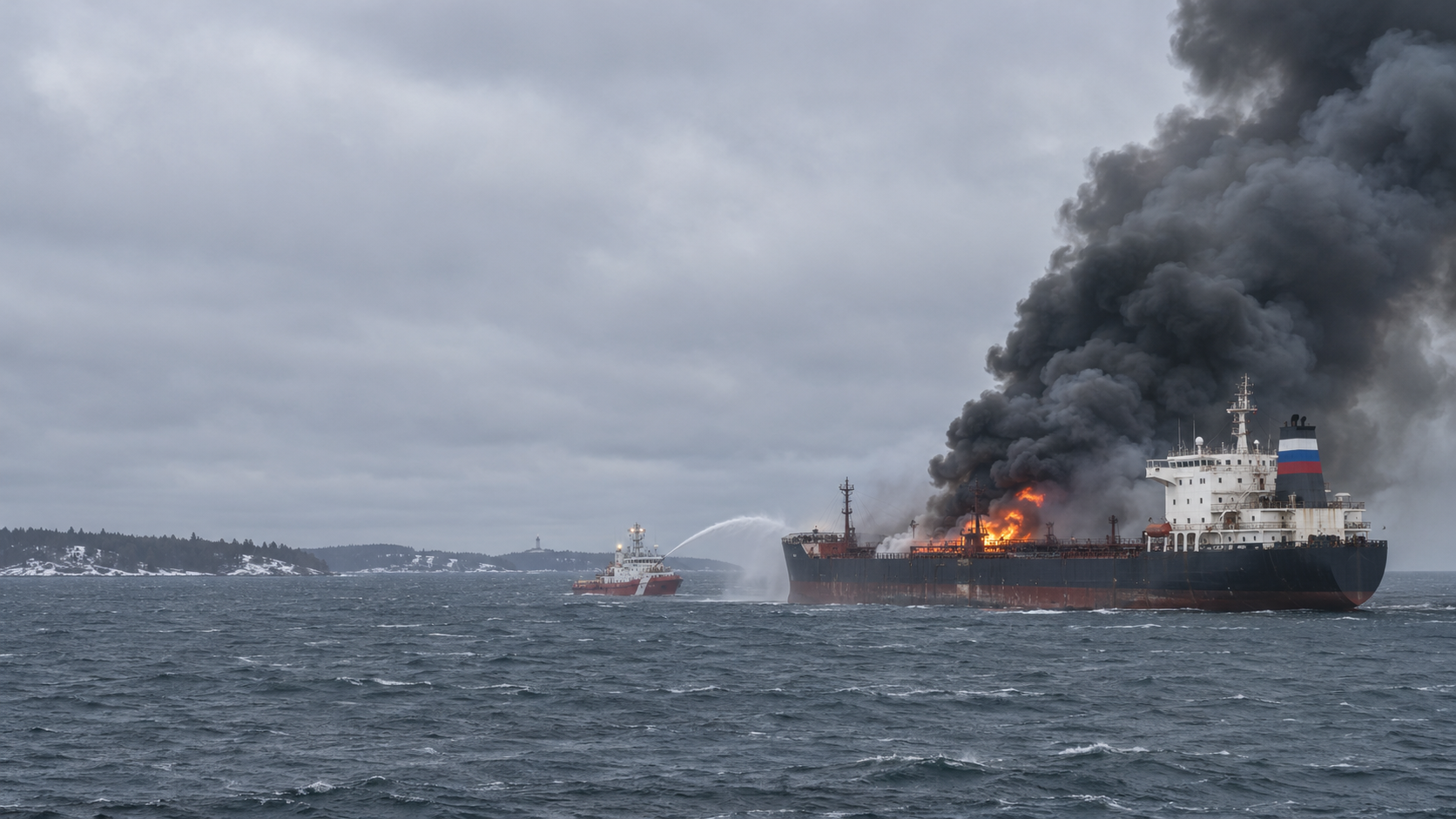 Russian Cargo Ship Reportedly Still Burning Near Finland
-
 South Korea Education Minister Resigns Over AI Exam Rules
-
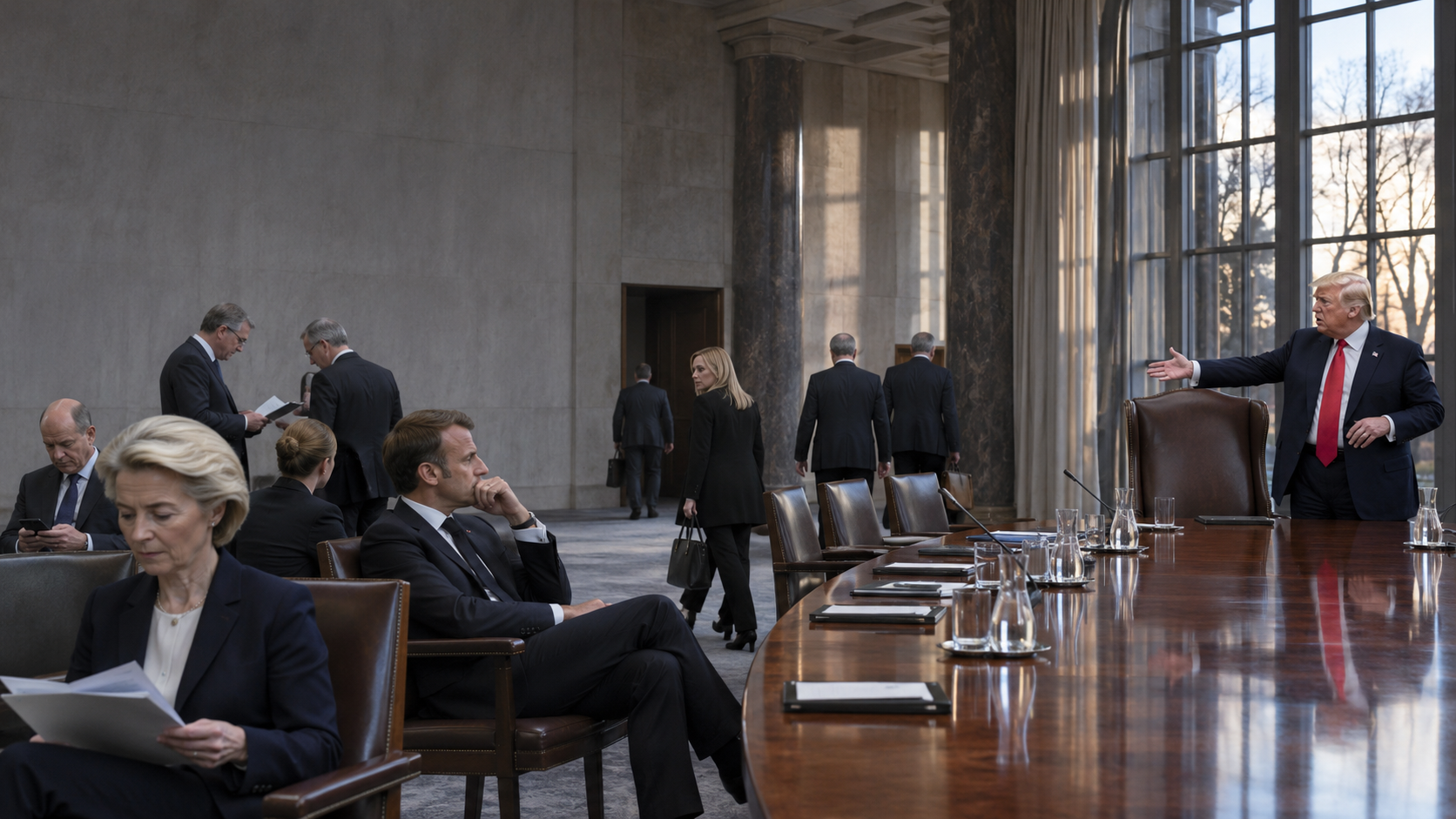 Europe Shrugs at Trump’s Yalta-Style Summit Push
-
 Turkey Draft Omits Fossil Fuels at UN Climate Talks
-
 USDA Bigfoot Files: What the Reported Release Reveals
-
 ICE Arrests Two at Seattle Airport, Governor Responds
-
 Two New Jersey Women Indicted Over Alleged Staged Attack
-
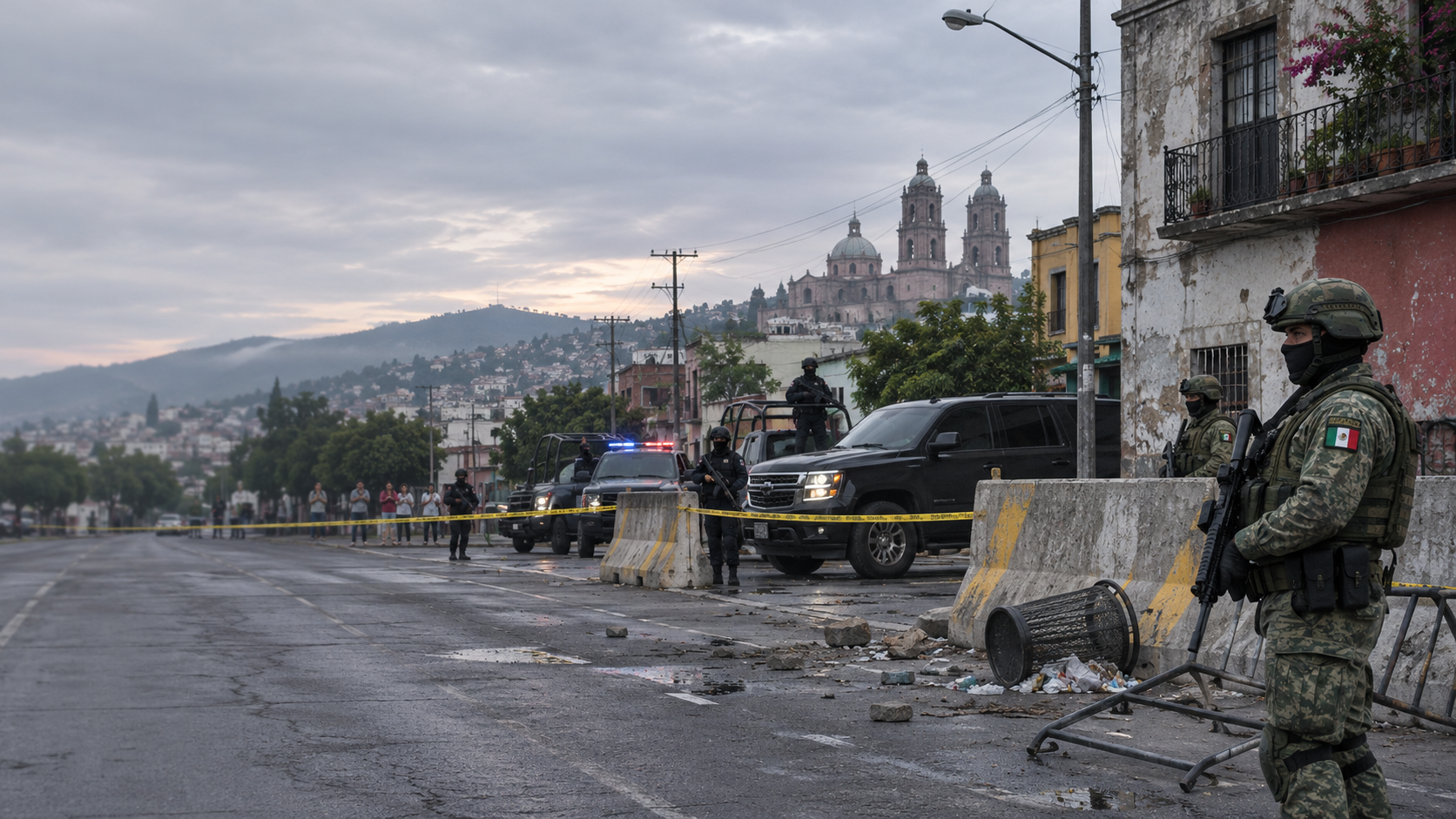 11 Deaths in Alleged Mexican Cartel Capture Remain Unconfirmed
-
 Swim Highlights War’s Toll on Strait of Hormuz Wildlife
-
 COP31 Fossil Fuel Dispute Threatens Climate Deal
-
 Andy Burnham’s Brexit Deal: A New U.K.–EU Partnership
-
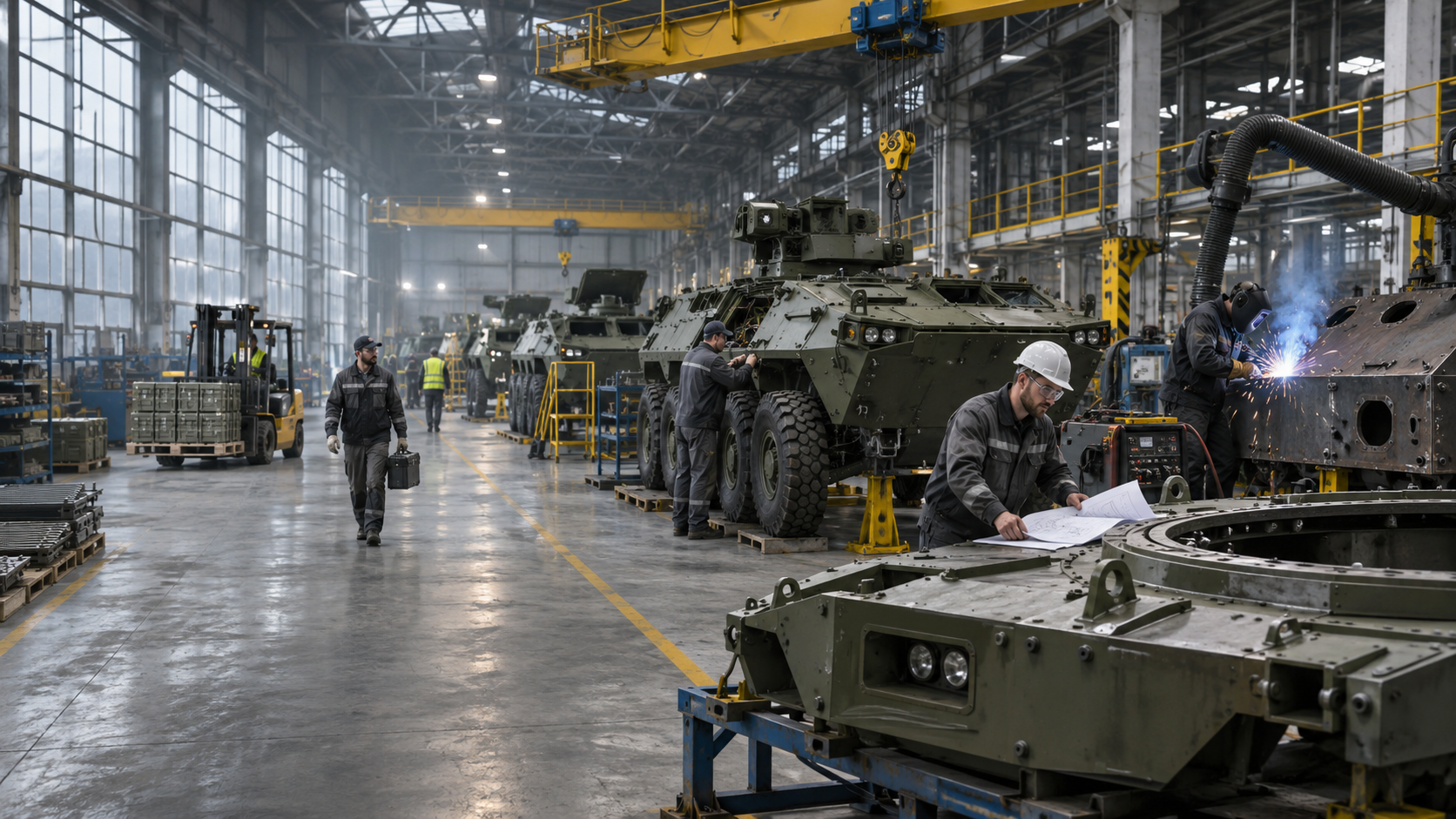 Ukraine’s Defense Industry: Growth, Risks and Prospects
-
 Washington Governor Condemns Reported ICE Arrests at Sea-Tac
-
 El Chapo Isidro Arrested After Sinaloa Shoot-Out
-
 Princeton Student Reportedly Detained by ICE at Airport
-
 SFO Flooding Risk as High Tides Approach Next Week